
Skip to content

Libretro / frontend

RetroArchYour library. One interface.

RetroArch brings emulators, game engines and media playback into one configurable frontend.

Classic titles run on computers and consoles through a single graphical interface. Settings stay unified after you set them once.

Original game discs (CDs) can be loaded from RetroArch.

The Libretro project has been open source since 2010 and now backs unofficial platforms worldwide.

Illustrated RetroArch cabinet used as the launch visual

Feature system

What sits under the interface

Latency, menus, shaders, netplay and the core updater live in one frontend.

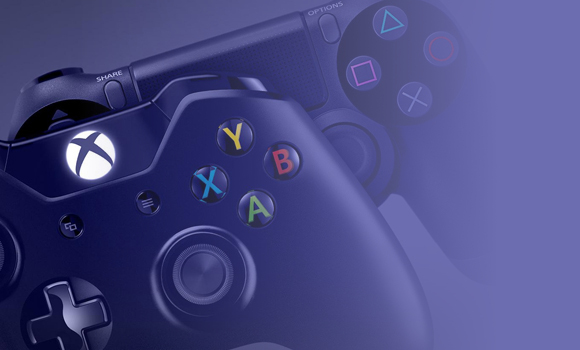
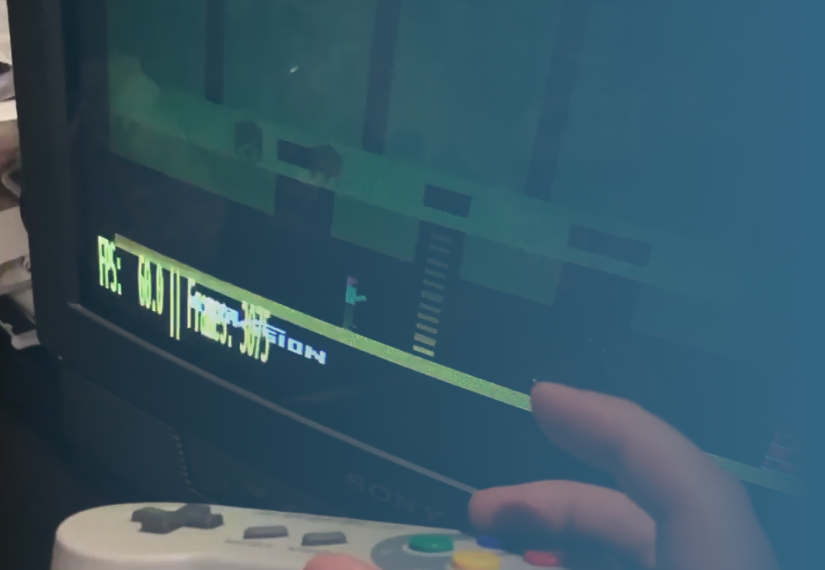
CRT television and gamepad used to describe frame pacing

01 / performance

Next-frame response

RetroArch can answer input on the next frame.

When that path is working, latency should match real hardware, FPGA clones or original consoles.

Extra timing options remain available if you need to tune further.

LatencyFrame pacingInput response
Explore feature

Platform matrix

Available on

RetroArch runs across desktop, mobile and console storefronts.

Store builds can differ from the site build. Platforms sometimes require cuts so the listing can stay.

App Store listing badge App Store Supported
Amazon Appstore listing badge Amazon Appstore Supported
Steam listing badge Steam Supported
itch.io listing badge itch.io Supported
Huawei AppGallery listing badge AppGallery Supported
Galaxy Store listing badge Galaxy Store Supported
Google Play listing badge Google Play Supported

Core bay

Cores

Libretro lists more than 200 cores. The set still grows. Engines, games, media tools and emulators all sit on the same API.

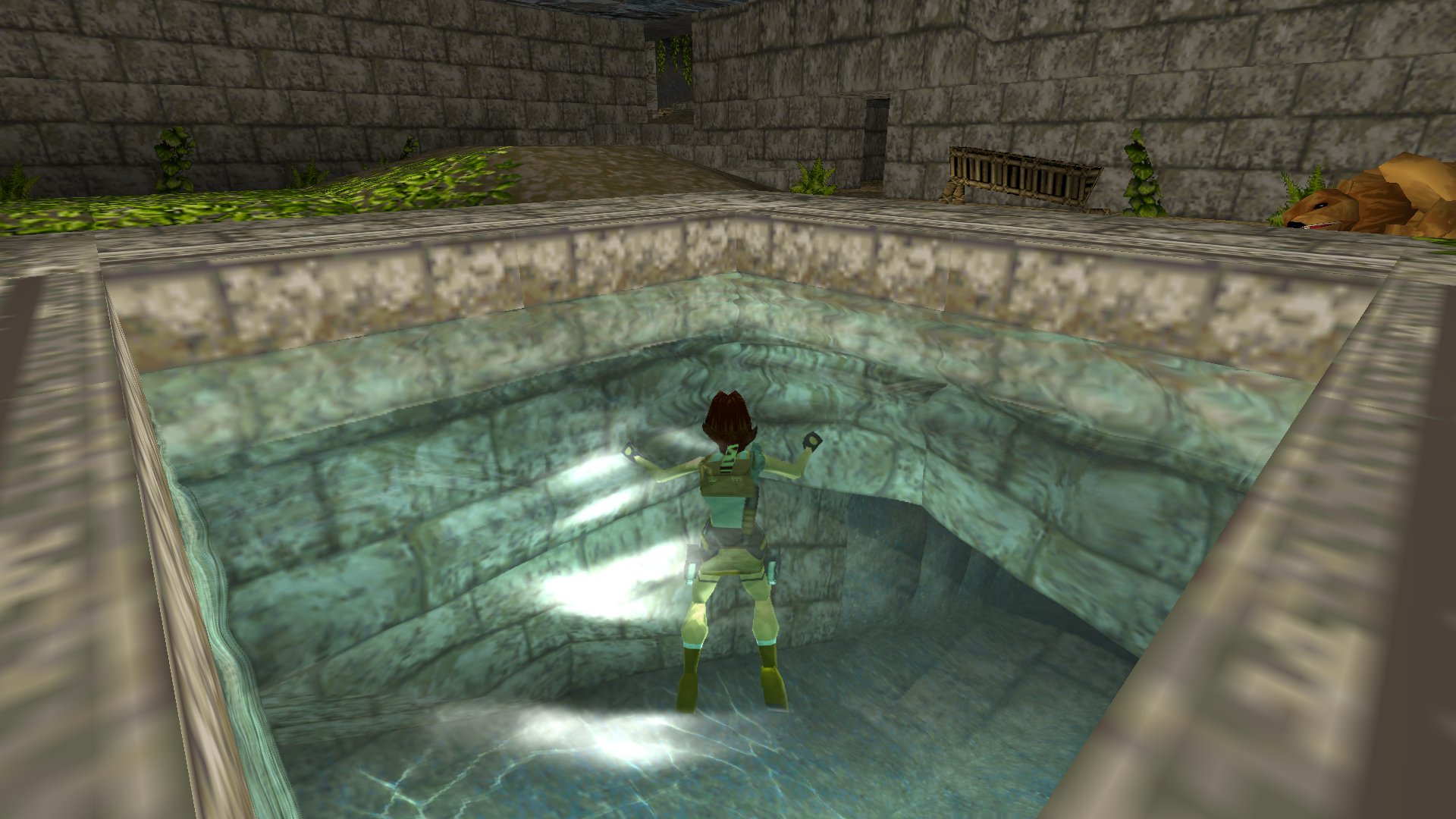
OpenLara core showing an early Tomb Raider engine recreation

OpenLara

OpenLara rebuilds an early Tomb Raider engine.

The core is available for Windows and Linux.

Read the core notes here.

It needs the original data files. Extra lighting sits on top of the old engine without fighting the original look.

Color field banner pointing at RetroArch apparel

Lab notes

Innovation

RetroArch shipped several ideas that later became common. As an active open-source frontend, it still adds features each year.

  • Dynamically loadable programs (cores): Libretro lets RetroArch, or any frontend that implements the API, run a multimedia program when that program follows the Libretro lifecycle. Other apps adopted the same API, so those cores run outside RetroArch as well.
  • Dynamic audio rate control: A method for keeping audio and video aligned without crackle or large frame-time spikes. Resample ratios move so the audio buffer should neither underrun nor overrun.
  • Runtime programmable pixel shaders on the GPU: Introduced in 2011 with Cg (now deprecated) and GLSL. SPIRV-Cross later made the Slang spec possible, so the same shaders can run across graphics APIs.
  • Runahead: Added in 2018. A second session of the game runs ahead. When it works, input and video latency drop without obvious ghosting.
  • AI text translation: Capture the current frame and send it to a chosen endpoint. With OCR and related tools, the AI service can translate on screen or speak text, on demand or automatically.

Dispatch

News

RetroArch 1.21.0 release

1.21.0 added a PipeWire camera path, Vulkan adaptive vsync and Ozone fixes. Verified stable is now 1.22.2.

Continue reading

ROM Cleaner

A Libretro-side tool for cleaning ROM sets, listed with the 1.21.0 news cycle.

Continue reading

Bliss-Box 4-Play added

RetroArch gained support for the Bliss-Box 4-Play adapter so original controllers can pass through that hardware.

Continue reading

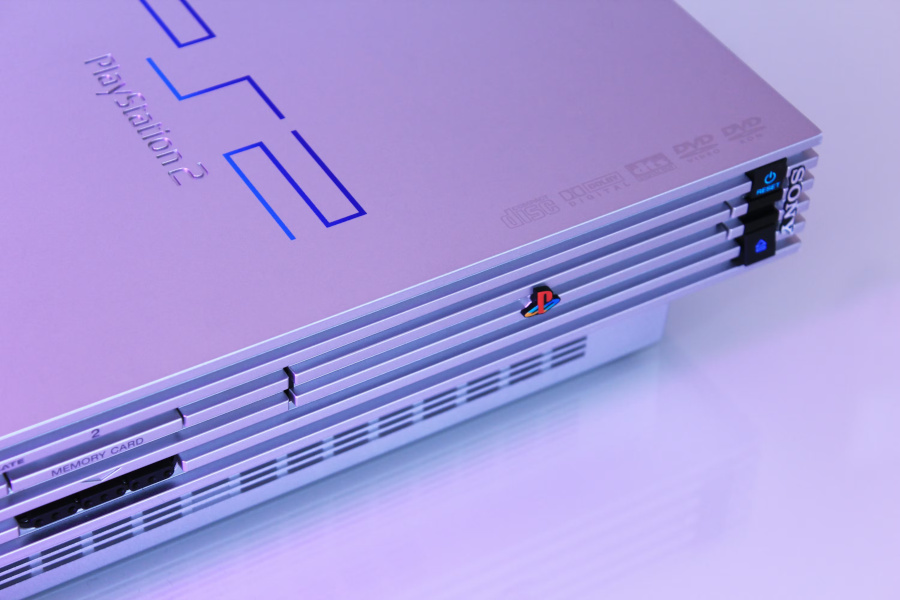
LRPS2, the new PlayStation 2 core

LRPS2 ships ParaLLEl GS, a Vulkan LLE renderer. Core notes live on the features page.

Continue reading

RetroArch 1.20.0 release

1.20.0 was the official news stable published 5 January 2025, before 1.21.0.

Continue reading

CRT beam racing shader

A CRT beam-racing simulator shader landed, the same family used for rolling-scan display work.

Continue reading

PlayStation 2 and the CRT TV

The PlayStation 2 was built around analog video, scanlines and timing, not a fixed pixel grid.

Continue reading

RetroArch 1.19.1 release

1.19.1 stays on the official news list as the point release before 1.20.0.

Continue reading

Signal

Latest video

Download
↓
RetroArch